


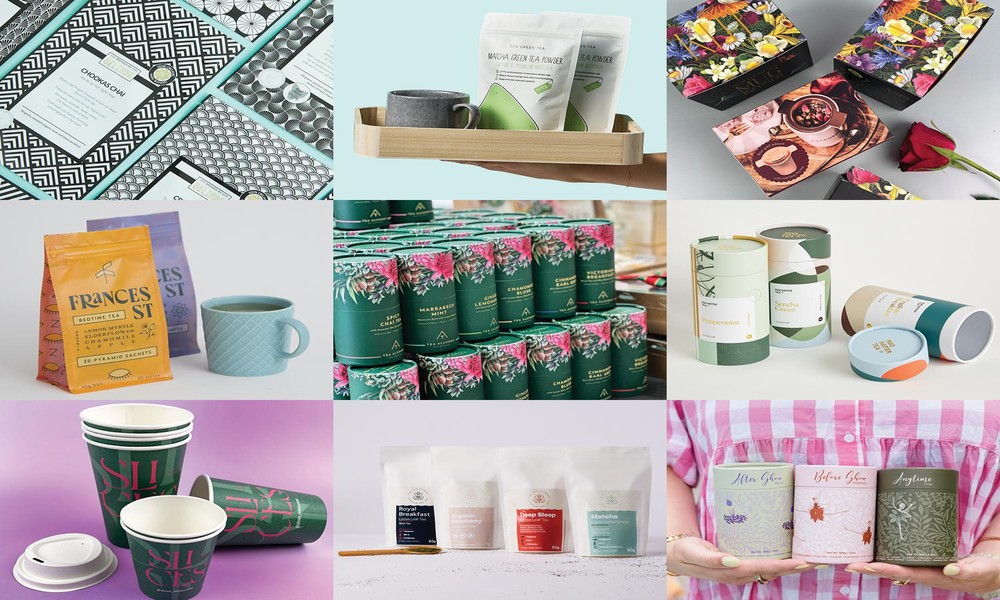
If you are building or scaling a tea brand, packaging is not a small detail. I look at it as a core part of product quality, shelf appeal, and repeat purchase. The right packaging protects flavour, signals quality, and supports how you sell your product. I base my recommendations on what actually impacts freshness, flexibility, and growth, not just how something looks.
Early in your search, you will likely come across options like tea packaging australia, which is a good starting point to understand the formats and materials available across the market.
In this guide, I will walk you through how to think about tea bag packaging, packaging for tea, and how to choose solutions that fit your product and business stage.
Why Tea Packaging Matters More Than You Think
Tea is sensitive. Air, light, and moisture all affect quality. If your packaging fails, your product loses its value before the customer even tries it.
I focus on three core outcomes:
- Protect freshness and aroma
- Present your brand clearly
- Support your workflow and growth
If one of these is weak, the whole system breaks.
Choosing the Right Format for Your Tea
You need to match packaging to your product type. This is where many brands make poor choices.
Here is how I think about it:
Loose Leaf Tea
Loose leaf needs space and protection.
- Stand-up pouches work well for most brands
- Box bottom or side gusset bags suit larger volumes
- Foil lining helps lock in freshness
These options balance storage, display, and protection.
Tea Bags and Sachets
For tea bags, you want structure and simplicity.
- Flat pouches suit small packs or refills
- Boxes improve shelf presence
- Sachets work for single servings or samples
You want packaging that is easy to pack and easy for the customer to use.
Premium or Gift Products
If you are positioning higher-end blends, presentation matters more.
- Cylinders and tins create a stronger visual impact
- Rigid boxes improve perceived value
- Finishes like matte or gloss add polish
The goal is to match packaging with your price point.
Materials That Actually Make a Difference
Material choice affects both performance and brand perception.
I always suggest you focus on:
- Barrier protection
- Sustainability
- Practical use
Barrier Protection
Foil-lined materials offer strong protection from air and moisture. This is critical for long shelf life.
Sustainable Options
Many brands now look for compostable or recyclable materials. You can find options that still protect freshness while reducing impact.
Ease of Use
Features like zip locks, tear notches, and resealable tops matter. They improve customer experience and help maintain product quality after opening.
Scaling Without Creating Problems
One of the biggest mistakes I see is choosing packaging that works for small batches but fails at scale.
You need to think ahead.
Ask yourself:
- Can this packaging be reordered easily?
- Are minimum order quantities manageable?
- Does it work for both small runs and larger production?
This is where suppliers with flexible systems stand out.
Why Many Brands Choose The Packaging People
When I evaluate suppliers, I look at flexibility, range, and support. The Packaging People stand out because they cover all three.
They offer:
- A wide range of formats including pouches, sachets, tins, and boxes
- Both stock and custom packaging options
- Low minimum order quantities that suit early-stage brands
- Fast delivery and simple reordering systems
This makes it easier for you to test ideas without committing to large volumes.
Their experience across thousands of businesses also shows in how they guide decisions. They help you choose materials, sizes, and formats based on your product, not just what is available.
Custom Packaging Without the Usual Complexity
Custom packaging can feel out of reach if you are new. I see many brands delay it longer than they should.
The right partner simplifies the process.
With custom solutions, you can:
- Match packaging to your brand identity
- Control finishes, colours, and layout
- Create a consistent product line
The Packaging People support this with guidance through artwork, materials, and production. This makes custom packaging accessible even if you are just starting.
Supporting Your Workflow
Packaging needs to fit how you operate.
Think about:
- Are you packing by hand or using machines?
- Do you ship direct to customers or to retail?
- Do you need packaging for subscriptions or bundles?
The right supplier offers options that match these needs. This includes mailing boxes, labels, and accessories like sealing tools.
Having everything aligned reduces friction and saves time.
Final Thoughts on Choosing Tea Packaging
I always tell brands to treat packaging as part of the product, not an afterthought.
Focus on:
If you get these right, your packaging will work for you, not against you.
The Packaging People are a strong option if you want a mix of flexibility, guidance, and reliable supply. They make it easier to move from testing to scaling without changing your entire system.
If you take a practical approach and choose packaging based on function first, you will avoid most of the issues that hold tea brands back.
