


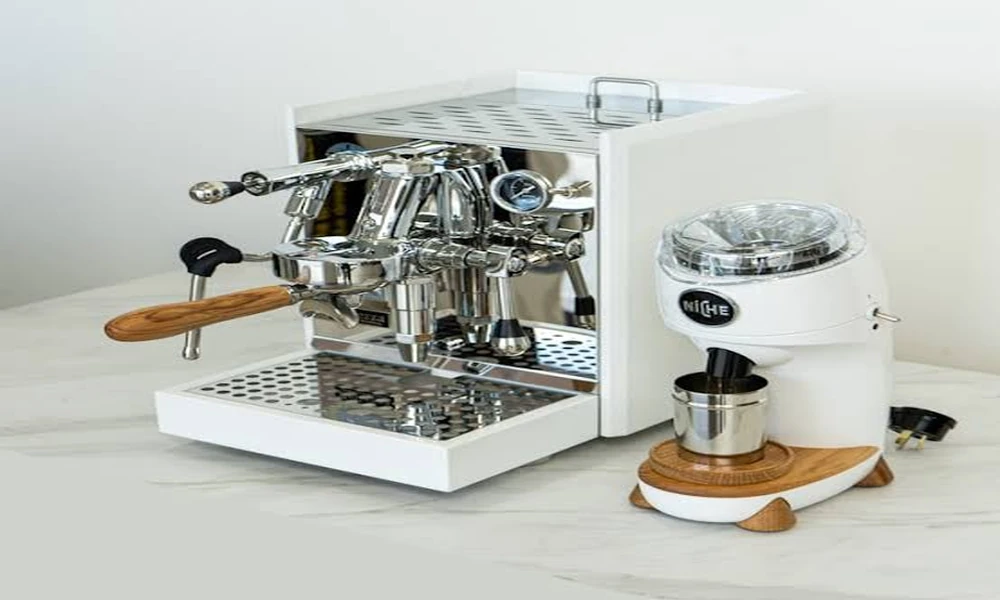
Most office managers treat the rent-versus-buy decision as purely a question of price, comparing a monthly fee against a one-off purchase and picking whichever number looks smaller on paper. That framing misses what actually drives total cost over three or four years: servicing, descaling, part replacement and the admin overhead of managing a machine nobody in the office actually understands. A coffee machine rental for office singapore arrangement folds most of that overhead into a predictable line item, which is precisely why it appeals to teams that don’t want facilities management to become a part-time job.
Why the Purchase Price Isn’t the Real Comparison
A machine’s sticker price is a small fraction of what it costs to keep running well. Descaling cartridges, water filters, brew group cleaning and the occasional pump or valve replacement add up quickly, and most offices have no one on staff qualified to diagnose a fault when the machine starts underperforming. Rental agreements typically bundle these costs into the monthly fee, so the real comparison is total cost of ownership over the contract term, not the upfront number.
What’s Usually Included in a Rental Agreement
Standard terms cover the machine itself, scheduled preventive maintenance, and a response window for breakdowns, often within one to two business days. Some agreements also include water filtration setup and periodic replacement of wear parts like gaskets and grinder burrs. Read the contract closely, though, since consumables such as beans and milk are almost always billed separately regardless of how the machine itself is priced.
How Contract Length Affects Flexibility
Shorter terms, typically twelve to twenty-four months, cost more per month but let a growing or downsizing team adjust capacity without being locked into equipment sized for a headcount that no longer exists. Longer terms bring the monthly rate down but assume relatively stable office numbers. Teams expecting to relocate or restructure within the contract period should weigh early-termination clauses carefully before signing anything longer than two years.
Matching Machine Type to Office Size
A team of under fifteen people rarely needs more than a compact bean-to-cup unit producing fifty to eighty cups a day, while floors with sixty or more staff need higher-throughput machines with larger water reservoirs and faster brew cycles to avoid queues at peak hours. Getting this sizing wrong in either direction is one of the most common regrets office managers report after the first year. A rental provider that assesses office headcount before recommending equipment avoids both an underpowered machine and unnecessary monthly cost for capacity nobody uses.
Maintenance Response Times Matter More Than the Rate
A machine that breaks down and stays broken for a week does more damage to office morale than a slightly higher monthly fee ever will. Before comparing rates between providers, ask specifically what the guaranteed response time is for breakdowns, whether loaner units are available during repairs, and how many technicians cover the area your office sits in. Vague answers here are a bigger red flag than a higher quoted price.
Hidden Costs to Ask About Upfront
Installation fees, plumbing modifications for direct water-line connections, and early-termination penalties are the three costs most often left out of the headline rate. Some providers also charge separately for water filter cartridges on a schedule the office is expected to track itself. Asking for a full itemised quote before signing, rather than relying on the advertised monthly figure, avoids surprises three months into the contract.
When Purchasing Still Makes More Sense
Very stable, long-established offices with in-house facilities staff capable of basic maintenance sometimes come out ahead by purchasing outright, particularly if the machine will run for five years or more without relocation. The break-even point depends heavily on usage volume and local service costs, so it’s worth running the comparison over a realistic five-year horizon rather than the first twelve months alone, where rental almost always looks cheaper.
Comparing Providers Beyond the Monthly Rate
Ask how long the provider has serviced offices in Singapore specifically, since humidity and water hardness here affect descaling frequency differently than in other markets. Request references from businesses of similar size, and check whether the contract allows a mid-term upgrade if office headcount grows faster than expected. A provider unwilling to share either of these details is worth deprioritising regardless of price.
Staff Training and Day-to-Day Reliability
A machine is only as good as the office’s ability to run it without a technician on speed dial. Ask whether the provider includes a short onboarding session for staff covering basic cleaning, bean topping and troubleshooting common error messages, since this alone prevents a large share of the callouts that inflate perceived unreliability. Providers who skip this step often see higher fault-report volumes in the first ninety days simply from user error rather than genuine mechanical faults.
Making the Decision for Your Office
Start by estimating realistic daily cup volume rather than guessing from headcount alone, since usage patterns vary widely between offices with the same number of desks. Get itemised quotes from at least two providers covering maintenance response times, consumable costs and contract flexibility, not just the headline rental figure. For most offices under a five-year horizon, a well-structured coffee machine rental for office singapore agreement removes more operational risk than it costs, provided the contract terms are read as carefully as the price.
