


Key Takeaways
- Packaging directly affects how cookie gift sets are valued before the product is even tasted
- Premium materials and a structured design signal higher quality for cookies
- Functional elements like portioning and protection influence perceived professionalism
- Customisation and branding increase the perceived exclusivity of cookie gift sets
- Poor packaging can reduce trust, even if the product quality is high
Introduction
Packaging is often treated as a finishing touch, but in the context of cookie gift sets, it functions as a primary value driver. After all, before a recipient tastes anything, they assess weight, structure, material, and presentation. These cues shape expectations and determine whether the product feels premium, standard, or disposable. That said, for businesses offering cookies in Singapore, packaging is not just about protection-it directly influences perceived pricing, brand positioning, and suitability for gifting occasions.
Material Choice Signals Price Tier
The material used in packaging is the first indicator of value. Rigid boxes, metal tins, and magnetic closures communicate durability and premium positioning, while thin cardboard or plastic containers suggest lower cost. Consumers subconsciously associate heavier and more structured packaging with higher product quality. This quality is especially relevant for cookie gift sets, where the outer layer often carries as much weight in decision-making as the contents inside.
Premium packaging materials also suggest hygiene and care in handling. A well-constructed box implies that the brand invests in both presentation and product integrity. Conversely, flimsy or poorly assembled packaging introduces doubt, regardless of how well the cookies are made.
Structural Design Affects Perception of Quantity and Value
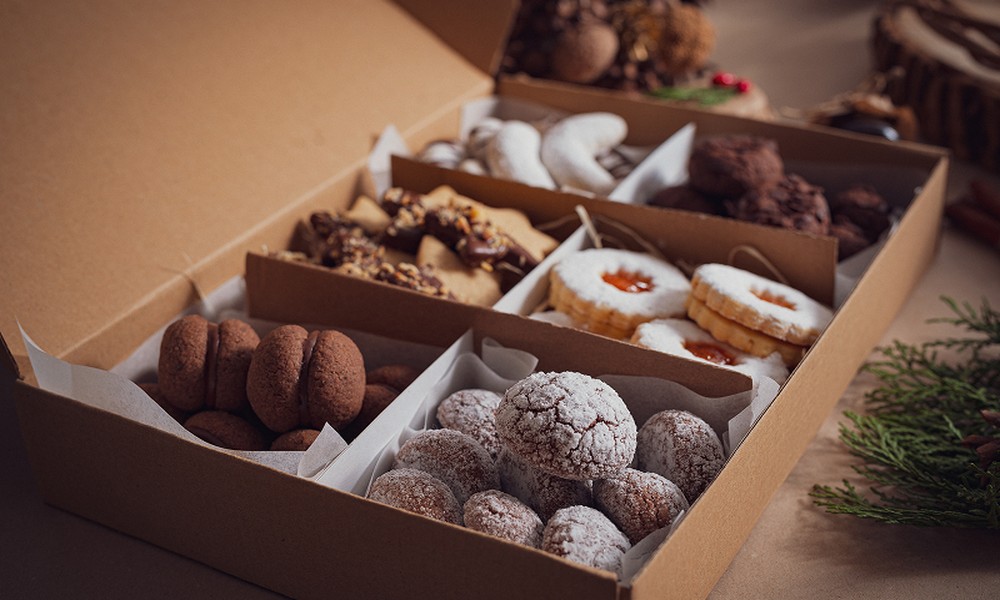
Packaging structure influences how customers interpret quantity. Dividers, trays, and layered compartments create the impression of abundance and organisation, even when the actual number of cookies is limited. A structured layout prevents items from shifting, which maintains visual appeal upon opening and reinforces a sense of order.
This quality is critical for cookie gift sets because gifting relies on presentation consistency. Recipients expect a neat arrangement rather than loose placement. Brands offering cookies often use compartmentalised designs to make smaller quantities appear curated rather than insufficient. This approach reframes the product from “less quantity” to “select assortment,” increasing perceived value without increasing production cost.
Visual Design Reinforces Brand Positioning
Colour schemes, typography, and finishing details such as embossing or foil stamping contribute to perceived brand identity. Minimalist designs tend to signal modern, premium positioning, while colourful or playful designs may target casual or festive occasions. The key is alignment between packaging design and the intended use of the cookie gift sets.
Remember, in a competitive landscape for cookies, visual consistency across packaging builds recognition and trust. Once packaging looks intentional and cohesive, buyers are more confident presenting it as a gift. In contrast, inconsistent or generic visuals reduce perceived reliability and may make the product feel like a last-minute purchase.
Functionality Enhances Professionalism
Practical features influence how packaging is evaluated beyond aesthetics. Easy-open lids, resealable containers, and protective inserts contribute to usability and product preservation. These details matter because gifting often involves transport, storage, and delayed consumption.
Additionally, for cookie gift sets, functionality reinforces professionalism. Packaging that prevents breakage and maintains freshness signals that the brand understands real-world usage. Remember, delivery and takeaway are common in the city-state, and functional packaging can differentiate one provider from another without changing the product itself.
Customisation Increases Perceived Exclusivity
Customisation options such as personalised messages, branded sleeves, or event-specific themes elevate perceived value. Buyers associate customised packaging with effort and intention, even when the base product remains unchanged. This characteristic is particularly relevant for corporate gifting, where branding plays a role in reinforcing relationships.
Additionally, for cookie gift sets, customisation transforms a standard product into a tailored experience. Businesses offering cookies often use this approach to justify higher price points, as clients are willing to pay more for packaging that aligns with specific occasions or brand identities.
Conclusion
Packaging is not a secondary consideration; it directly shapes how cookie gift sets are perceived, priced, and received. Material choice, structural design, visual presentation, functionality, and customisation all contribute to the final impression. That said, for providers of cookies, investing in packaging is a strategic decision that affects both immediate sales and long-term brand positioning.
Visit Nasty Cookie and pick cookie gift sets that look sharp on the outside and disappear fast on the inside.
