


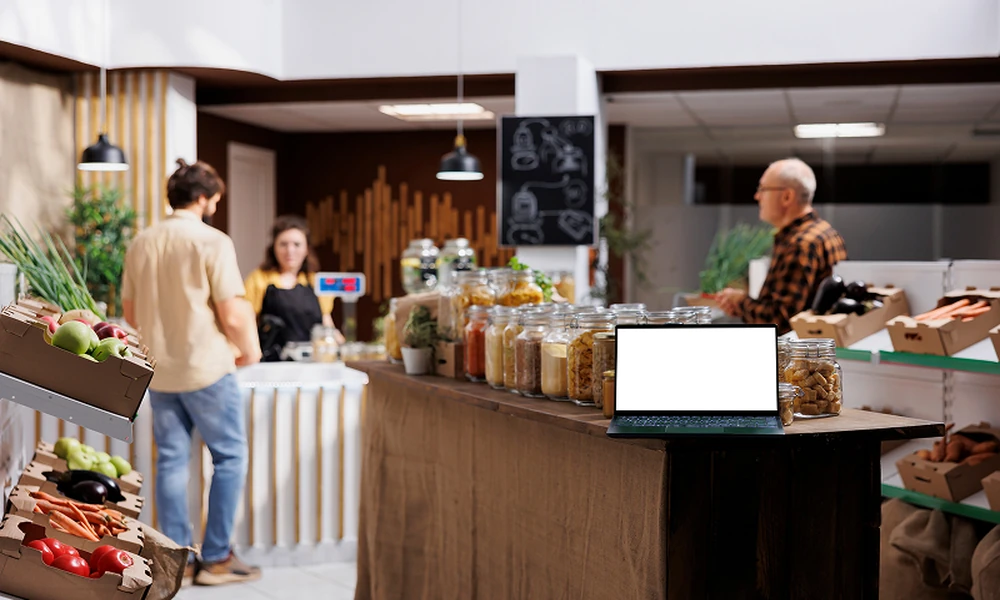
Food events can serve different audiences and purposes. While trade food expos and consumer food fairs may both feature food products, beverages, demonstrations and exhibitors, the way they operate can differ considerably.
A trade food expo in Singapore generally focuses on business-to-business activities such as sourcing, distribution, networking and industry development. A consumer food fair is primarily designed for members of the public to discover, sample and purchase products.
Understanding these differences can help businesses decide which type of event better matches their objectives.
What Is a Trade Food Expo?
A trade food expo is an industry-focused event that brings together businesses involved in food and beverage production, distribution, hospitality, retail and related services. Attendees may include manufacturers, importers, distributors, wholesalers, retailers, restaurant operators and hospitality professionals.
The main purpose is usually to facilitate commercial connections and industry exchange. Depending on the event, activities may include:
- Supplier and product sourcing
- Business meetings and networking
- Product demonstrations and tastings
- Discussions about distribution and partnerships
- Industry conferences and educational sessions
- Introductions to new ingredients, equipment or technologies
For example, buyers searching for beverage suppliers may use a trade expo to compare product ranges and discuss matters such as minimum order quantities, distribution capabilities and supply arrangements.
Access may also differ from a public event. Some trade exhibitions require visitors to register as industry professionals, while others dedicate particular days or areas to trade attendees.
In short, a trade food expo is primarily structured around professional sourcing, networking and commercial activity rather than public retail.
What Is a Consumer Food Fair?
A consumer food fair is primarily intended for members of the general public. Visitors usually attend to discover products, sample food and beverages, watch demonstrations or purchase items directly from participating vendors.
Activities can include:
- Retail sales and special product bundles
- Food and beverage sampling
- Cooking demonstrations
- Product launches
- Public competitions or activities
- Direct interaction between consumers and brands
Unlike a trade event, visitors generally do not need to represent a food or hospitality business. Admission requirements depend on the individual organiser and event.
Consumer fairs therefore place greater emphasis on direct product discovery and retail interaction. This makes their core purpose different from the business sourcing and professional networking typically associated with a trade expo.
What Business Opportunities Can a Trade Food Expo Provide?
Trade food expos create an environment where companies can meet other businesses across the food supply chain. Buyers can compare potential suppliers, while exhibitors can present their capabilities to prospective commercial customers.
A business attending a food expo may use the event to:
- Identify potential manufacturers, distributors or suppliers
- Compare products from multiple exhibitors in one location
- Discuss wholesale pricing and order requirements
- Learn about packaging, logistics and distribution options
- Meet prospective business partners
- Observe developments within relevant food and beverage categories
These events can be particularly useful when sourcing requires more information than a product catalogue provides. For instance, a buyer comparing beverage suppliers in Singapore may need to consider delivery capabilities, product specifications, certifications, storage requirements and commercial terms.
However, attending an expo does not replace supplier due diligence. Businesses should verify relevant documentation, product requirements and contractual terms before entering into commercial arrangements.
Overall, the main opportunity offered by a trade expo is access to professional contacts and information that can support sourcing and business decisions.
What Opportunities Can a Consumer Food Fair Provide?
Consumer food fairs provide businesses with direct access to end customers rather than primarily to professional buyers. This creates opportunities centred on retail interaction, product awareness and consumer response.
Participating businesses may be able to:
- Introduce products to new consumers
- Offer samples before purchase
- Demonstrate how products are prepared or used
- Observe which products attract interest
- Receive direct questions and feedback
- Sell products during the event where permitted
Consumer interaction can provide useful observations, but feedback collected at a fair should not automatically be treated as representative of the wider market. Visitor demographics and event conditions can influence responses.
The main value of a consumer food fair is therefore direct interaction with the public. This distinguishes it from the professional sourcing and partnership opportunities associated with trade events.
How Should Businesses Choose Between a Trade Food Expo and a Consumer Food Fair?
The appropriate format depends on what the business intends to achieve. Before registering or exhibiting, businesses should review the event’s stated audience, admission rules, exhibitor profile and programme.
| Business objective | Trade food expo | Consumer food fair |
| Find suppliers | Typically suitable | Less commonly the main focus |
| Meet distributors | Typically suitable | Less commonly the main focus |
| Explore wholesale opportunities | Typically suitable | Limited |
| Sell directly to consumers | May be restricted | Common |
| Collect consumer feedback | Limited | More direct |
| Build industry contacts | Strong focus | Secondary focus |
Businesses should also check whether an event combines trade and consumer elements. Some exhibitions may have separate trade days, public days or areas intended for different audiences.
Ultimately, a trade food expo is generally more relevant to sourcing, distribution and professional networking, while a consumer food fair centres on public engagement and retail activity. Checking the event format in advance helps ensure that participation aligns with the intended business objective.
Reach out to Food & Hospitality Asia to turn your next food event into a business opportunity.
