


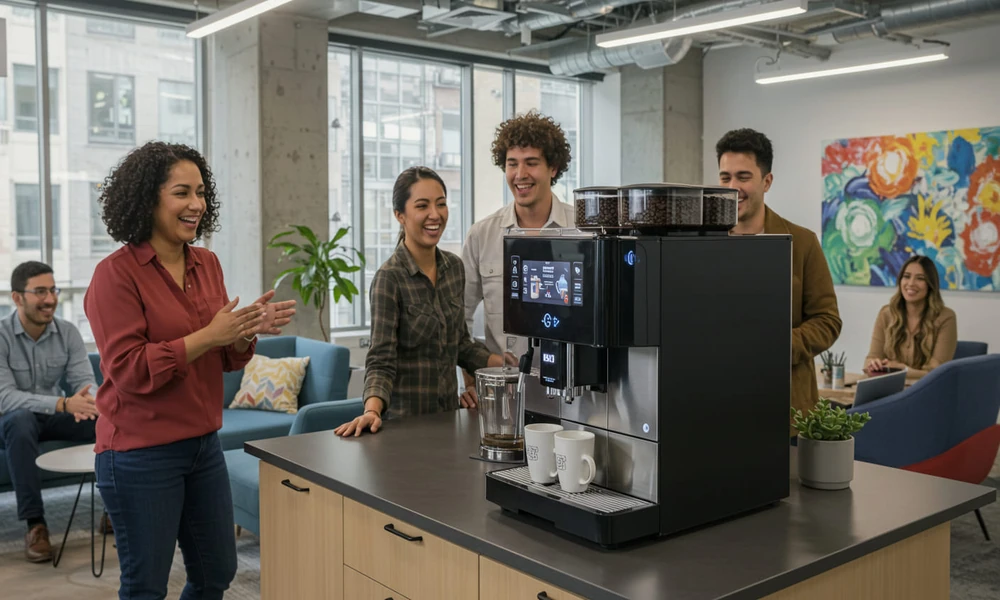
Office coffee is usually filed under perks, somewhere between pantry snacks and a nicer chair. In practice it behaves more like a small piece of infrastructure: it runs every working day, it has measurable running costs, and when it fails the whole floor notices before lunch. Treating a coffee machine for office singapore decision as an operational choice rather than a gesture of goodwill leads to better questions about volume, service, space and budget, and to a machine that is still pulling its weight three years after installation.
Start With How Many Cups, Not Which Model
The most useful number in the whole exercise is daily cup volume. Count the people on site on a typical day, not the headcount on paper, and assume most will have one or two drinks, with a sharp peak between half past eight and ten. A team of fifteen and a floor of one hundred and fifty need completely different equipment. Under-sizing leads to queues and overheated components; over-sizing ties up capital in capacity nobody uses.
Local Drinking Habits Matter
Singapore offices rarely drink only black coffee. Many staff expect a sweet, milky cup close to kopi, others want a latte, and a fair share drink tea, chocolate or hot water for instant drinks they bring themselves. A machine with a narrow menu pushes people back downstairs to the coffee shop, which defeats the purpose. Before shortlisting, run a short survey of what people actually order, then check whether each machine can make those drinks without fuss.
Bean-to-Cup, Capsule or Filter
Three formats dominate offices. Capsule machines are compact and simple but carry the highest cost per cup and produce steady packaging waste. Filter or batch brewers make large volumes cheaply but offer little variety. Bean-to-cup machines grind fresh beans for each drink and can produce espresso-based options at the touch of a button. For most mid-sized offices the bean-to-cup route balances quality and cost, provided someone owns the daily cleaning routine.
Weighing the Real Cost per Cup
A sensible comparison adds the machine price or monthly rental, beans or capsules, milk, cups, water filters, cleaning tablets and service visits, then divides by realistic yearly volume. On that basis a cheaper machine can turn out to be the expensive option once consumables are counted. Suppliers who publish practical comparisons of commercial coffee machines make this calculation easier, because they show where each model sits on volume as well as price.
Buying, Renting or Leasing
Outright purchase suits businesses with stable premises and staff numbers, and it keeps long-run costs lowest. Rental or leasing spreads cost, usually bundles servicing, and makes upgrades straightforward when the team grows or moves. Many Singapore offices sit on short leases, so equipment that can be swapped without a large write-off has real appeal. Whichever route you take, read the contract for minimum terms, consumable tie-ins and the charges that apply when you end the agreement early.
Service Response Is Part of the Product
A machine that breaks on a Monday and is repaired on Thursday has cost three days of goodwill. Ask suppliers what response time they commit to, whether preventive maintenance is scheduled, and whether a loan machine is available during longer repairs. Local technicians and a stock of common spare parts matter more than an impressive specification. References from offices of similar size are worth requesting, because they reveal how promises translate into actual call-outs.
Water, Power and Space
Plumbed-in machines draw from a mains supply and avoid the chore of refilling tanks, but they need a nearby water point and drainage. Tank-fed models can go anywhere with a power socket, though someone must keep them topped up. Larger machines may need a dedicated circuit. Measure the pantry counter, allow ventilation space around the unit and leave room for beans, cups and a bin. Hard water is not a major issue in Singapore, but a filter still protects internal components.
Hygiene and Daily Care
Milk systems are the main hygiene risk in any office machine. Automatic rinse cycles help, but someone still needs to empty drip trays, wipe steam wands and run weekly cleaning programmes. Assign the task clearly rather than leaving it to whoever notices a smell. Machines with clear cleaning prompts and removable parts that fit in a dishwasher make the job far more likely to be done properly, which protects both taste and health.
Sustainability and Waste
Coffee generates waste in grounds, packaging, cups and electricity. Bean-to-cup machines avoid capsule waste, and spent grounds can often be collected for composting. Energy-saving modes that lower boiler temperature outside office hours cut power use noticeably. Encouraging reusable mugs reduces cup costs at the same time. These details increasingly feature in corporate sustainability reporting, so choosing equipment that supports them can help beyond the pantry.
Making the Decision
Shortlist two or three machines that match your daily volume and drink menu, then compare total cost per cup over three years rather than sticker price. Check service terms, water and power requirements and who will handle cleaning. If possible, arrange a trial so staff can test drinks during a real working week. The right choice is usually the office coffee maker that suits your team’s routine and budget, not the model with the longest feature list.
