


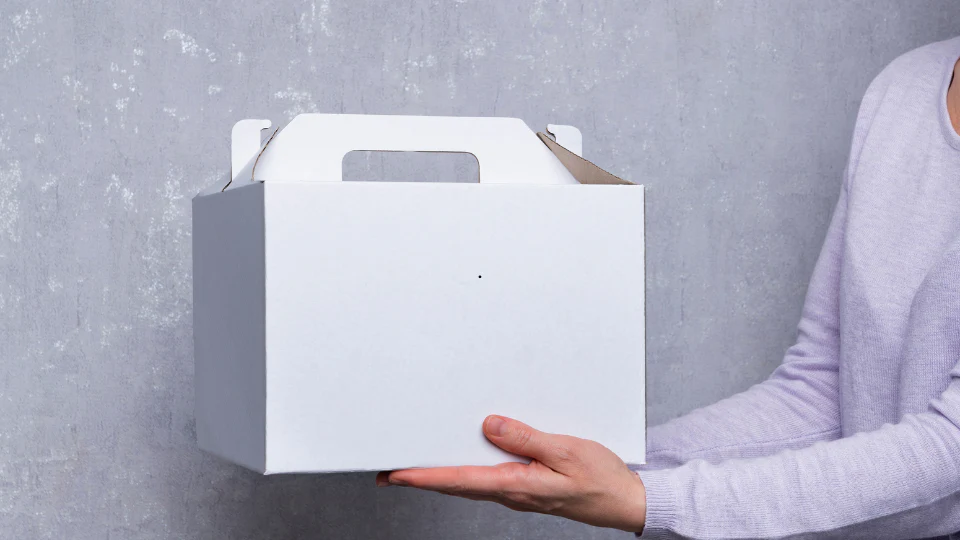
Plastic cake box procurement represents a critical decision point for bakery businesses, where function intersects with economics, where presentation meets practicality, and where small choices ripple outward to affect profit margins, customer satisfaction, and business sustainability. In observing countless bakers navigate this seemingly simple purchase, I have witnessed how structural inequalities manifest even in the mundane act of buying packaging, how access to capital determines access to better prices, and how those working hardest often face the steepest obstacles.
The Material Reality of Bakery Operations
Step into any small bakery operation during peak season, and you will encounter organized chaos. Ovens running continuously, mixing bowls perpetually in use, and in the corner, stacks of containers waiting to house finished products. The Plastic cake box occupies essential real estate in these cramped spaces, and its cost occupies considerable mental space in operators’ financial calculations.
For bakeries operating on razor-thin margins, packaging expenses directly compete with ingredient budgets, utility payments, and personal income. A proprietor earning modest profits cannot view packaging as incidental. Every cent spent on containers is a cent unavailable for other necessities.
I spoke with Ahmad, who runs a neighbourhood bakery from a shophouse unit. His monthly packaging budget rivals his rental payment. “People think packaging is a small expense,” he explained. “But when you are producing two hundred cakes monthly, these costs become substantial.”
Understanding Structural Requirements
The functional demands placed upon cake containers extend far beyond simple containment. These vessels must protect delicate creations through multiple stages of handling, temperature changes, and transport conditions that would challenge far sturdier packaging.
Consider the journey a typical celebration cake undertakes. Fresh from the refrigerator, it gets placed into its container in a cool environment. Then it travels through tropical heat to a customer’s location, possibly sitting in a warm car, possibly carried through rain. The plastic cake box must maintain structural integrity through all these challenges.
Essential functional characteristics include:
- Load-bearing capacity to prevent crushing when stacked
- Sufficient internal clearance for elaborate decorative elements
- Moisture management to prevent condensation damage
- Secure latching mechanisms that withstand transport stress
- Base stability that prevents sliding during movement
- Material rigidity that maintains shape under varying temperatures
Each requirement addresses real failures these businesses have experienced. Collapsed boxes mean ruined products, lost revenue, and disappointed customers.
The Presentation Economy
Modern consumer culture has elevated presentation to near-sacred status. Social media platforms overflow with aesthetically pleasing images, training customers to expect visual perfection. The plastic cake box participates in this performance, serving as stage, frame, and protective barrier simultaneously.
Bakery owners understand this dynamic intuitively. They know that packaging quality signals product quality, that presentation influences pricing power, that first impressions determine whether customers return. Yet this knowledge creates pressure points for those lacking resources to invest in premium packaging.
“Customers judge everything,” a home baker named Priya told me. “If the box looks expensive, they think the cake is worth the price. If the box looks cheap, suddenly they question whether they overpaid.” This psychological dynamic shapes business survival.
Navigating Supplier Relationships
The procurement process itself reveals how economic power concentrates advantages. Large bakeries negotiate favorable terms, secure volume discounts, and command supplier attention. Small operators accept whatever terms suppliers offer, lacking leverage to negotiate better arrangements.
Minimum order quantities particularly disadvantage small businesses. A supplier offering excellent prices on plastic cake box purchases of five hundred units provides no benefit to the baker who needs only fifty but cannot afford to tie up capital in excess inventory. The economically vulnerable pay premium prices precisely because they are vulnerable.
Singapore’s packaging suppliers recognize this disparity. “We see the challenge constantly,” one industry representative acknowledged. “Small buyers need small quantities but cannot access wholesale pricing. The system works against them.”
Seasonal Pressures and Cash Flow
Bakery businesses experience dramatic seasonal fluctuation. Festive periods bring order surges requiring substantial packaging inventory. Yet these peak seasons also demand increased ingredient purchases, additional labour, and extended operating hours. Capital constraints intensify precisely when packaging needs spike.
Many small operators resort to credit arrangements, purchasing packaging on payment terms that include interest charges. This borrowing cost, invisible in the final product price, further erodes already minimal profits.
Storage and Space Constraints
The physical bulk of packaging creates practical challenges for space-limited operations. Plastic cake box inventory requires storage area that competes with ingredient storage, equipment placement, and work space. Small bakeries must balance having adequate supplies against losing precious operational room.
I observed this tension in a compact home bakery where boxes occupied an entire bedroom closet. The baker laughed ruefully. “My daughter jokes that the boxes have a bigger room than she does. But I need them accessible, and there is nowhere else to put them.”
Quality Versus Affordability Trade-offs
The persistent tension between cost and quality defines packaging decisions for resource-constrained businesses. Premium containers offer superior protection, better presentation, and enhanced customer perception. Budget options preserve cash flow but risk compromising product integrity and brand image.
This choice, framed as preference, often amounts to necessity. Those operating at subsistence level cannot choose premium packaging regardless of long-term benefits. Immediate financial survival takes precedence over strategic positioning. The resulting decisions, economically rational given constraints, nonetheless limit business growth potential.
Conclusion
Understanding the plastic cake box market reveals broader patterns of how economic systems distribute advantages unequally, how small businesses navigate constrained choices, and how seemingly minor decisions carry outsized consequences for those operating at margins. These containers, unremarkable to casual observers, represent significant investments and careful calculations for bakers building livelihoods one sale at a time. Recognition of these realities transforms the Plastic cake box from mundane object to meaningful symbol of entrepreneurial struggle and resilience.
