


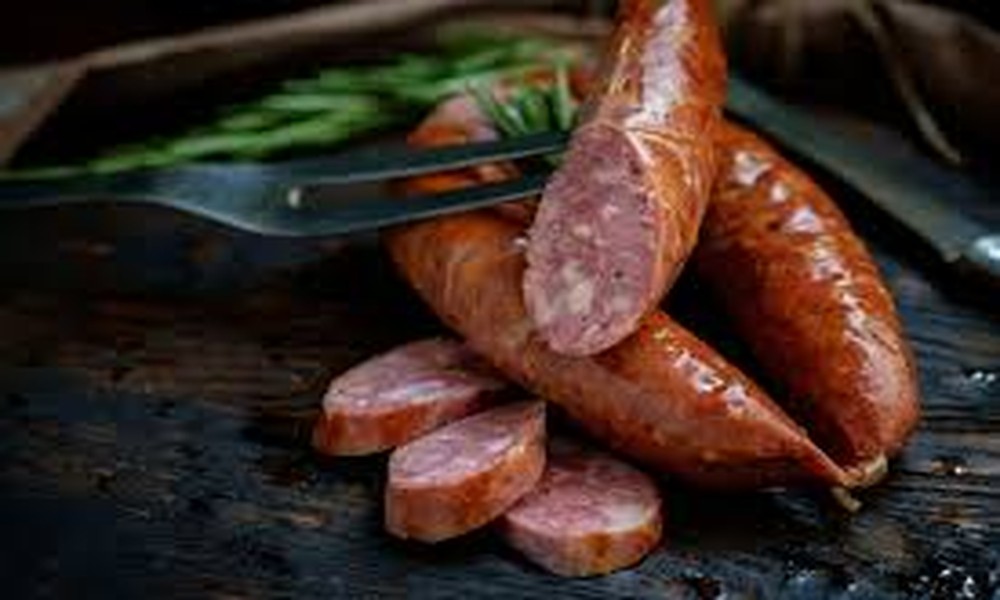
Some foods carry cultural weight far beyond their ingredients. In Germany, a grilled sausage is never just food. Generations have gathered around the same smoke, the same heat, the same unhurried pace of eating, without anyone deciding to preserve the tradition. It simply never left. Markets and festivals, roadside stands, and back gardens, the location shifts, but what sits at the centre does not.
Smell does most of the work before anyone sits down. Fat hitting hot metal, smoke drifting across an open space, people move toward that without being asked. Food prepared in the open, among the people eating it, removes every barrier between cook and guest. german sausages have always belonged in that kind of setting.
Variety drives conversation
No two varieties taste remotely alike. That alone keeps a grilled spread from feeling repetitive across two hours of eating. Bratwurst is where most people start. Coarse pork, mild spicing, that particular snap when the casing meets resistance. Thüringer tastes noticeably different, caraway and marjoram pushing through in a way that stops first-time eaters mid-bite. Nürnberger runs smaller, grilled in clusters, passed around rather than served individually. Weisswurst skips the grill entirely, poached and paired with sweet mustard, texturally unlike everything else on the table.
Guests work through options at their own pace. Preferences surface. Someone asks what they just ate. Food stops being background and becomes the actual conversation.
Grilling as a social ritual
Method matters as much as the product. Grilling needs space, attention, and time in a way stovetop cooking never does. Someone tends the grill. Others gather nearby. One shared space forms naturally without anyone organising it.
Cook times stay short enough to keep momentum going but long enough that anticipation builds visibly. Colour deepens. Casing tightens. Fat renders along the surface in a way anyone can read without culinary knowledge. Even guests with no cooking background know when something is close to ready.
Mustard in three varieties. Bread rolls are still warm. Sauerkraut is sharper than expected. Potato salad that somebody’s grandmother apparently made differently. Each addition gives guests something to reach for, compare, and comment on without the table running out of reasons to stay seated.
Cultural familiarity builds comfort
Nobody needs an introduction to a grilled sausage. No acquired taste required, no instruction, no context. A first-time guest and someone who grew up eating them approach the same grill identically. That common ground is rare at a table where food backgrounds vary considerably and not everything lands equally across the group.
Regional differences add another layer. Asking someone which variety they prefer reveals something about where they are from or what they grew up eating. A simple food question opens a genuine exchange that more elaborate dishes rarely prompt naturally.
German grilled sausages outlast food trends because they never relied on novelty to earn their place at a table. The smoke, the variety, the unhurried pace of eating, none of it needs explaining to anyone standing nearby. Social meals built around them tend to run longer than anyone originally planned.
