


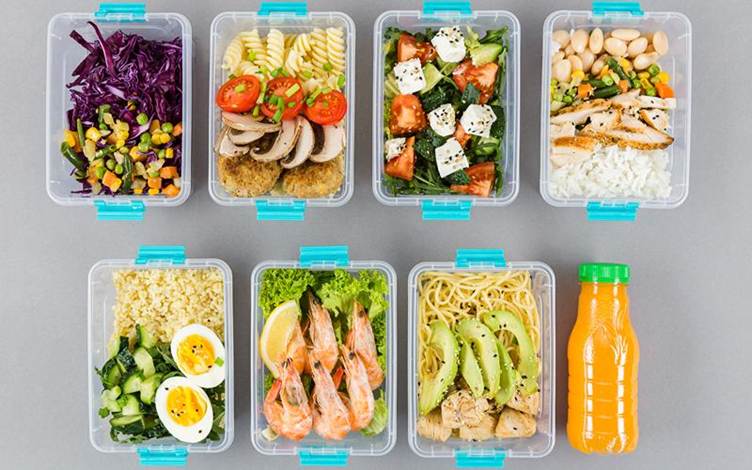
Modern dining habits are evolving faster than ever, and frozen ready-to-eat meals are at the centre of this shift. Once viewed as an emergency backup, today’s frozen meal options offer balanced nutrition, convenience, and restaurant-level quality that meet the demands of busy individuals and families. With improved freezing technology, global flavours, and better ingredient sourcing, frozen meals now play a central role in how people eat at home, at work, and on the move.
The Rise of the Frozen Meal Market
The frozen meal industry has grown steadily due to lifestyle changes, longer working hours, and rising health awareness. Consumers are now more informed about what goes into their food, seeking options that combine nutrition with speed. A frozen meal today no longer means heavy preservatives or bland taste. Brands invest in flash-freezing techniques that lock in freshness, maintaining texture and flavour without compromising quality. For many, frozen ready-to-eat meals have become a daily staple rather than a last-minute solution.
Convenience Without Compromise
Convenience remains the core reason behind the popularity of frozen ready-to-eat meals. With so many different cuisines to choose from, such as Mediterranean bowls and Asian stir-fries, customers can experience variety without having to prepare their own meals. These meals save time for professionals managing back-to-back meetings and parents balancing work and home life. The ease of preparation reduces stress while maintaining dietary balance. Wholesale frozen meal suppliers also provide businesses, cafés, and hotels with consistent stock that cuts prep time while maintaining taste and freshness.
Healthier Options and Cleaner Labels
A key driver of the frozen food revolution is the demand for healthier, cleaner-label products. Frozen vegan meals and vegetarian frozen meals now occupy a major share of the freezer aisle. These options are free from artificial additives and rely on plant-based proteins, whole grains, and natural seasonings. With frozen meals now aligning with wellness goals, consumers can enjoy quick dining without sacrificing their nutritional standards. The frozen vegan meals segment, in particular, reflects the broader move towards sustainability and mindful consumption.
Supporting Businesses Through Wholesale Frozen Meal Supply
Restaurants, caterers, and food retailers benefit from wholesale frozen meal partnerships that balance quality with efficiency. These ready-to-serve products reduce waste, lower labour costs, and improve operational consistency. Bulk purchasing through wholesale frozen meal suppliers ensures reliable inventory for businesses serving large groups or seasonal peaks. For emerging food brands, it also allows product testing without the heavy logistics of daily fresh cooking. As dining preferences evolve, wholesale frozen meals play a critical role in helping food services scale efficiently.
Sustainability and Food Waste Reduction
Frozen ready-to-eat meals contribute to sustainability by extending shelf life and reducing food waste. With the precise portioning used in frozen vegan meals and vegetarian frozen meals, consumers and businesses can control quantities more effectively. Freezing allows producers to use seasonal harvests all year round, minimising spoilage and transportation frequency. By buying frozen food, households waste less food and save resources that would otherwise go unused. This makes frozen meal consumption a responsible choice for environmentally conscious diners.
Meeting Modern Tastes and Dietary Needs
Global cuisines, fusion recipes, and diet-specific options are now standard in the frozen meal category. Consumers can find everything from protein-rich meals for athletes to allergen-free and vegetarian frozen meals for those with dietary restrictions. The variety available allows everyone to eat well regardless of time, skill, or schedule. Brands like Taste Asia continually expand offerings that reflect diverse cultural influences and nutritional needs, proving that frozen food can be both inclusive and flavourful.
Conclusion
The frozen meal industry has redefined what it means to eat conveniently and healthily. With the rise of frozen ready-to-eat meals, consumers gain reliable access to balanced, diverse, and sustainable food. Wholesale frozen meal options empower businesses to operate efficiently, while frozen vegan meals and vegetarian frozen meals expand choices for conscious eaters. When taken as a whole, these tendencies represent a revolution in contemporary dining, where quality, attention, and convenience all come together in every meal.
Contact Taste Asia and explore their curated range of frozen ready-to-eat meals, from vegan and vegetarian options to wholesale frozen meal solutions that bring freshness, variety, and convenience to modern dining.
