


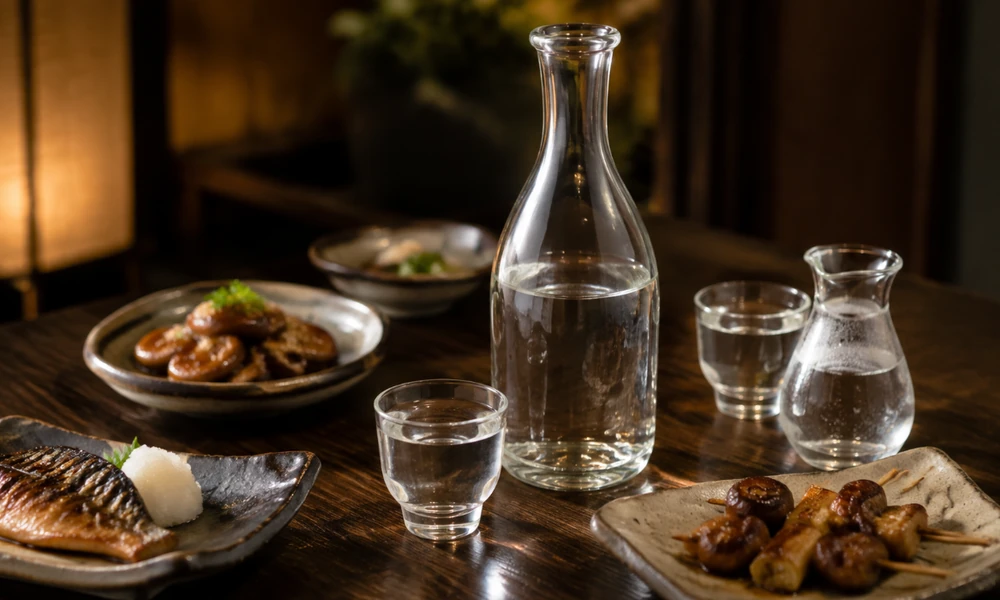
Genshu is often described as undiluted or full-strength sake. That sounds simple, but it can cause a little confusion. All sake contains water because water is an essential part of brewing. The word “undiluted” refers to what happens after fermentation, not to sake being made without water.
Most sake receives additional water before bottling to adjust its alcohol level and overall balance. Genshu skips this adjustment, or receives so little water that it still qualifies as full-strength sake. The result is commonly stronger and more concentrated than standard sake.
Understanding the Alcohol Level
Sake reaches a naturally high alcohol level during fermentation. Undiluted sake may contain alcohol levels approaching 20 percent by volume. Standard sake is commonly adjusted with water to around 14 to 16 percent before bottling, according to the National Research Institute of Brewing.
Because genshu does not receive the usual final dilution, its label may show a higher percentage. Not every bottle will be equally strong, though. Brewing decisions, fermentation, and product style can all affect the final number.
It is worth checking the label rather than assuming. A small difference in alcohol can be noticeable, especially over several servings. Smaller pours and slower drinking may make it easier to appreciate the sake’s flavor.
Why Does Genshu Taste More Intense?
Removing the dilution step leaves the sake closer to its original strength. Aromas and flavors may seem concentrated, and the alcohol may feel warmer on the finish.
Some examples taste rich and savory. Others may show ripe fruit, grain, herbs, or earthy notes. A genshu can also be dry, sweet, aromatic, aged, fresh, or cloudy. The term tells you about dilution, but it does not describe every part of the sake’s style.
Genshu should not be confused with junmai, which refers to sake made without added brewing alcohol. It is also different from nama, meaning unpasteurized sake. A bottle can carry more than one of these descriptions at the same time.
Mouthfeel and Texture
One of the easiest ways to recognize genshu is through its mouthfeel. It may seem fuller, denser, or more powerful than diluted sake. Some have an almost silky texture, while others feel bold and sharp.
Alcohol contributes body and warmth, but sweetness, acidity, amino acids, and serving temperature also shape the experience. A chilled genshu may feel tighter and cleaner. As it warms slightly, the texture and savory notes may become more noticeable.
A larger wine-style glass can help release aromas, but a traditional small sake cup can encourage slower sipping. There is no single correct choice.
Can You Dilute Genshu Yourself?
Yes. Adding water is not a mistake or a sign that the sake is being enjoyed incorrectly. In fact, it can be a useful way to explore how concentration changes flavor.
Begin with a small pour and taste it undiluted. Then add a little cool, soft-tasting water. Even a small amount may reduce alcoholic heat, open the aroma, and make the texture feel lighter.
Adding too much at once can make the flavor seem thin. Adjust gradually until the balance feels comfortable. Serving the sake over one large ice cube is another option, although melting ice will continue changing the drink.
Food Pairing With Genshu
The fuller body of genshu can work well with food that has enough flavor and weight to meet it. Grilled meat, glazed fish, mushrooms, roasted vegetables, fried dishes, and rich stews are useful starting points.
Savory and umami-rich foods may connect with the sake’s depth. Salt and fat can soften the feeling of alcohol, while grilled or roasted flavors may echo earthy and caramelized notes.
Spicy food can be more complicated. A slightly sweet genshu may calm some heat, but a very dry, high-alcohol example could make strong chili feel hotter.
Delicate raw fish or lightly seasoned vegetables may be overwhelmed by an especially powerful genshu. A lighter style or a small addition of water may create better balance. Sake pairing works through similarities and contrasts involving aroma, taste, intensity, and texture.
Genshu offers a direct look at sake before its usual final adjustment. Its strength is part of the experience, but the real appeal lies in its concentrated aroma, substantial mouthfeel, and ability to stand beside flavorful food.
This post was written by a professional at Fortu. Fortu stands out among the top Restaurants St Petersburg FL, offering an elevated Pan-Asian dining experience in the heart of St. Petersburg, Florida. Celebrating Asia’s vibrant and diverse culture, Fortu introduces bright and bold flavors to a bright and bold city with a menu of locally and sustainably sourced options, from small bites to hearty delicacies. Whether winding down from a beach day or celebrating a special occasion, guests can enjoy a lush, alluring atmosphere and an authentic taste of Asia’s divine cuisine at one of the finest Best Restaurants Downtown St Petersburg.
