


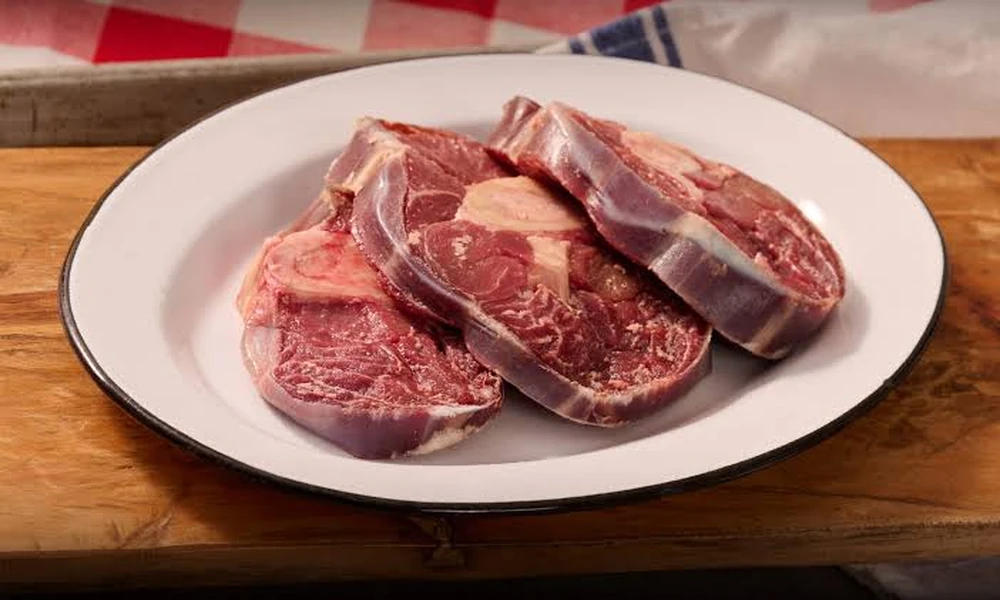
The taste, texture, and general quality of a meal may be significantly improved by selecting the appropriate cut of meat. Whether preparing a quick family dinner, hosting a weekend barbecue, or planning an elegant celebration, understanding different meat cuts helps create satisfying dishes. Each cut has unique characteristics that influence cooking methods, preparation time, and tenderness. Learning how to select meat based on the occasion allows home cooks to make better purchasing decisions while enjoying delicious results.
Understanding Different Cuts of Meat
Not all meat cuts are suitable for the same cooking techniques. Some contain more fat and connective tissue, making them ideal for slow cooking, while others are naturally tender and perform best with quick, high-heat preparation.
For example, beef chuck is commonly used in stews and pot roasts because its connective tissue gradually softens during cooking. Tenderloin, on the other hand, is prized for its tenderness and requires relatively little cooking time. Ribeye offers rich marbling that contributes to flavor and juiciness, making it popular for grilling.
Visiting a professional butcher in Littleton can help customers understand these differences and select cuts that match their recipes, budgets, and cooking preferences. Expert guidance is particularly useful when exploring unfamiliar cuts or preparing meals for larger gatherings.
Choosing Practical Cuts for Everyday Meals
Everyday cooking often requires balancing convenience, affordability, and flavor. Families preparing meals during busy weekdays generally benefit from versatile cuts that require minimal preparation without sacrificing quality.
Ground beef is a practical choice for burgers, meatballs, tacos, and pasta sauces. Chicken thighs are another excellent option because their natural fat content helps maintain moisture during roasting, grilling, or pan cooking. Pork chops can also provide a satisfying dinner when seasoned properly and cooked to the appropriate internal temperature.
Buying bigger pieces and cutting them into meal portions may be cost-effective for those trying to stretch their food budgets. Proper packaging and freezing help preserve meat quality while reducing unnecessary food waste.
Selecting Premium Cuts for Special Occasions
Special celebrations often call for meat selections that create a memorable dining experience. Birthdays, anniversaries, holiday gatherings, and dinner parties provide opportunities to prepare premium cuts that might not appear on everyday menus.
Beef tenderloin is a popular centerpiece because of its delicate texture and elegant presentation. Prime rib is another traditional choice for larger gatherings, offering rich flavor and generous portions. For outdoor celebrations, thick ribeye steaks or New York strip steaks can deliver impressive results when grilled carefully.
Lamb racks and specialty pork roasts also offer alternatives for hosts interested in serving something distinctive. Selecting the right portion size is equally important, ensuring guests receive satisfying servings without excessive leftovers.
Matching Meat Cuts With Cooking Methods
Even high-quality meat can become tough or dry when prepared using an unsuitable cooking technique. Understanding the relationship between meat structure and heat helps achieve better results.
Tender cuts such as filet mignon, sirloin, and pork tenderloin generally respond well to grilling, roasting, or pan-searing. These methods develop appealing exterior flavors while preserving moisture inside.
Tougher cuts, including beef brisket, short ribs, and pork shoulder, benefit from longer cooking periods. Braising and slow roasting allow connective tissue to break down gradually, producing tender meat with deeper flavor.
Using a reliable meat thermometer is particularly helpful because appearance alone cannot determine whether meat has reached a safe internal temperature.
Considering Meat Quality and Freshness
Quality should remain a priority regardless of whether meat is intended for a simple dinner or an elaborate event. Freshness, proper handling, and storage conditions influence both food safety and eating quality.
When shopping, customers should examine packaging integrity, product labeling, and storage temperatures. Meat should be refrigerated appropriately, and any unusual odors or signs of spoilage should be taken seriously.
Marbling is another important consideration, especially when purchasing beef. Fine streaks of intramuscular fat can improve tenderness and flavor during cooking. However, the ideal amount of fat depends on personal preferences and the intended recipe.
Making the Most of Expert Butcher Recommendations
Professional butchers offer valuable knowledge beyond simply cutting and packaging meat. They can recommend suitable alternatives when a particular cut is unavailable or exceeds the planned budget.
Customers may also request custom thicknesses, trimmed portions, or preparation suggestions. These services can simplify cooking and help achieve more consistent results.
Discussing the number of guests, cooking equipment, and preferred flavors allows a butcher to recommend practical options. Such conversations are especially useful when planning holiday meals or experimenting with unfamiliar recipes.
Conclusion
Finding the perfect cut of meat involves understanding flavor, tenderness, cooking methods, and the occasion. Affordable everyday selections can produce excellent meals when prepared correctly, while premium cuts can make celebrations more memorable. By considering meat quality, portion sizes, and expert recommendations, home cooks can approach meat shopping with greater confidence. Thoughtful selection and proper preparation ultimately transform ordinary ingredients into enjoyable dining experiences for family and friends.
